
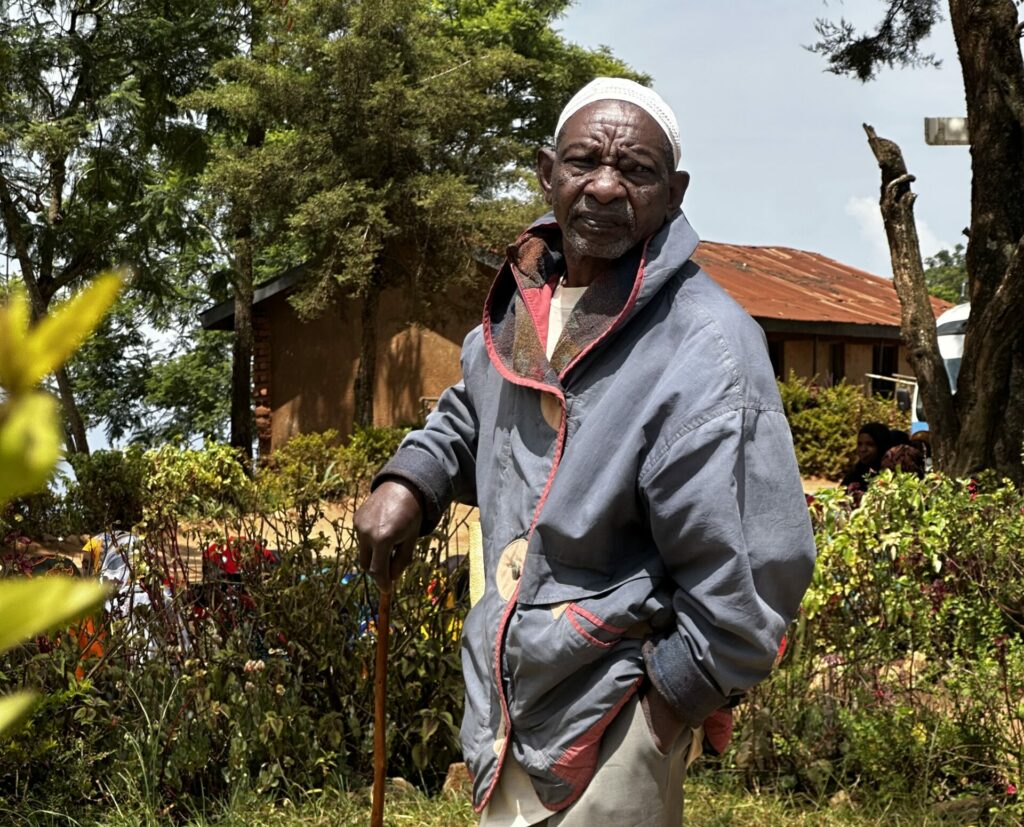
Living Heritage in the Usambara Mountains: The Sambaa Tribe
Tanzania is home to over 120 tribes, each with its own language, customs, and history. It is an extraordinary level of cultural diversity found in few places in the world. This richness shapes everyday life across the country and plays a vital role in preserving identity, knowledge, and community traditions.
Among the many ethnic groups of Tanzania, the Sambaa people are inhabitants of Usambara Moutains, and their traditions and daily rhythms remain deeply connected to the land they have stewarded for centuries.
Who Are the Sambaa?
The Sambaa are a Bantu-speaking ethnic group whose ancestral homeland spans the valleys and slopes of the Usambara Mountains in the Tanga Region of Tanzania. Their language, Kisambaa (Shambala), belongs to the Northeast Coastal Bantu language group and is still widely spoken in the area in both rural areas and the cities. As many Sambaa people move to bigger Tanzanian cities such as Dar Essalam or Arusha, even in the metropolis it’s not uncommon for people to understand common Kisambaa words such as “mazi” (water – “maji” in Kiswahili) or “Mgoshi” (dude, man). The name “Shambaai” translates to “where the bananas thrive,” a fitting tribute to the fertile soils and abundant rainfall that sustain their agricultural way of life.
Daily Life and Traditions in a Modern Age
Today, most Sambaa communities continue to live agrarian lives rooted in mountain farming. Terraced plots of bananas, maize, beans, and other crops cascade down the hillsides. It is a testament to generations of farming knowledge adapted to steep terrain. These agricultural traditions are practical and sustainable, reflecting a deep understanding of both the local environment and social cooperation.
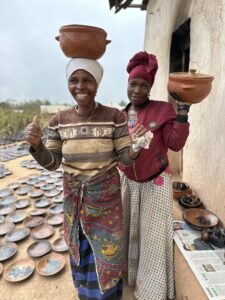
While modern influences have reached the Usambaras, many Sambaa people still observe traditional cultural practices alongside contemporary lifestyles. Clan and extended family structures remain central to community life, and local markets, such as those in and around Lushoto, continue to serve as vibrant hubs where people exchange crops, handicrafts, and news.
Religion among the Sambaa is diverse. Though Islam is the majority faith, Christianity is also practiced, and traditional beliefs including ancestor respect and nature-based rituals persist, sometimes blending with newer faiths in everyday life.
Tradition and Change
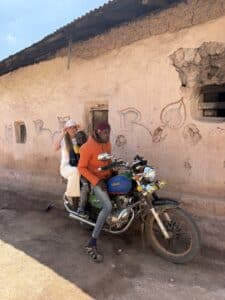
It’s important to understand that the Sambaa today balance tradition and modernity. While many rural families keep customary agricultural and social practices, younger generations often speak Swahili (the national language) in schools and interact with broader Tanzanian society. Access to healthcare, education, and modern transportation has grown, but challenges remain, especially in remote villages with limited infrastructure.
Can You Visit and Live With Them?
Yes! Visitors can experience Sambaa culture firsthand. The Usambara Mountains are famous for cultural and eco-tourism. You can stay at Uvi House & Restaurant and at the same time arrange for a homestay overnight or traditional Cooking with Mama experience in a local home.
Walking among terraced farms, engaging with community members, and sharing meals allow travelers to see the ways tradition is celebrated and adapted — not preserved behind glass, but lived every day.
However, respectful engagement is key. Ethical travel in the Usambara Mountains means approaching Sambaa communities not as attractions to be observed, but as hosts and partners in cultural exchange. Genuine interaction honors people’s dignity, knowledge, and traditions, rather than reducing them to photo opportunities or stereotypes.
Visitors are encouraged to learn before they arrive: understanding basic customs, greeting people politely, and asking permission before taking photographs. Simple gestures of respect go a long way in Sambaa culture, where community relationships and courtesy are highly valued. Spending time listening, sharing meals, or participating in daily activities such as farming or cooking creates connections that benefit both visitors and hosts.
Ethical travel also means supporting local livelihoods. Choosing local guides, staying in community-run guesthouses or homestays, and buying crafts or food directly from villagers ensures that tourism income remains within the community. This kind of responsible tourism helps sustain traditional practices, encourages cultural pride, and reduces dependency on external aid.
It is equally important to respect privacy and boundaries. Not all traditions are meant for public display, and not every aspect of daily life should be documented or shared online. Ethical travelers remain sensitive to what is appropriate to observe, ask about, or participate in, and they accept “no” with grace and understanding.
Finally, ethical travel is about long-term impact. Visitors who come with humility, curiosity, and respect contribute positively to cultural preservation rather than cultural erosion. By valuing Sambaa traditions as living, evolving ways of life (not as relics of the past) travelers help ensure that cultural exchange in the Usambara Mountains remains mutual, respectful, and sustainable for generations to come.
A Place Where Culture and Nature Thrive
In the Usambara Mountains, natural beauty and human culture are inseparable. The Sambaa people remind us that tradition is not static: it adapts, grows, and continues to shape how people live, work, and celebrate life in these extraordinary highlands of Tanzania.

Pingback: ivermectin tablet for human
Pingback: finasteride rxlist
Pingback: otc antibiotics
Pingback: prevacid otc cost
Pingback: lamictal for anxiety
Pingback: furosemide 20 mg tablet over the counter
Pingback: dexlansoprazole over the counter
Pingback: lasix furosemide 40 mg
Pingback: tadalafil off brand
Pingback: vidalista 20mg tadalafil
Pingback: viagra name meaning
Pingback: ozempic coupon code
Pingback: flagyl for bv infection
Pingback: tadalafil dosage for erectile dysfunction
Pingback: bupropion hcl sr adhd
Pingback: ketoconazole effect on Malassezia
Pingback: minoxidil rct evidence
Pingback: sildenafil meal timing effects
Pingback: vardenafil 5 mg overview
Pingback: avanafil unwanted effects
Pingback: Sildenafil PK Overview