1. Tanzania is all safaris and wildlife
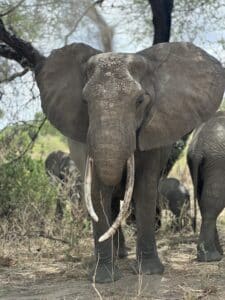
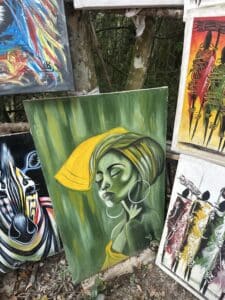
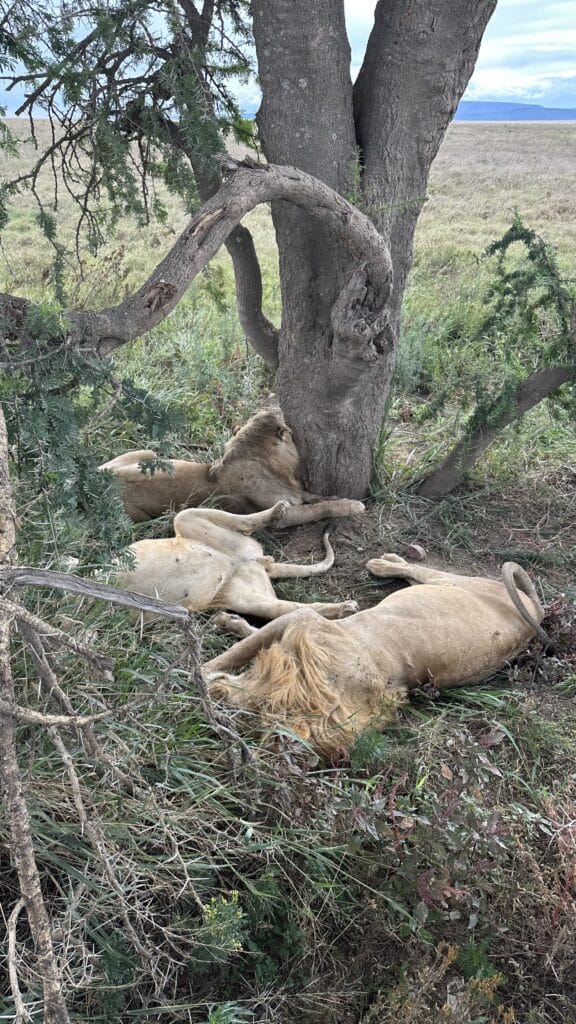
It’s easy to think of Tanzania as a giant safari park, and indeed, the Serengeti, Ngorongoro Crater, and Selous Game Reserve are world-famous. But Tanzania is much more than its wildlife. Vibrant cities like Dar es Salaam pulse with energy, Zanzibar’s historic Stone Town tells stories of centuries past, and quiet beaches along Pemba and Mafia Islands invite slow, serene days. Festivals, music, and art showcase a lively and diverse culture. Every corner of the country has a story to tell.
2. Everyone in Tanzania lives in poverty
Life in Tanzania is not uniform. While the country faces economic challenges, many urban centers are bustling with commerce and modern infrastructure. Markets overflow with entrepreneurial spirit, tech hubs are thriving, and local artisans are creating globally admired crafts. The people’s resilience, creativity, and warmth are evident everywhere, from small villages to vibrant cities.
3. Tanzania is culturally uniform
Tanzania is a mosaic of over 120 ethnic groups, each with its own languages, traditions, and festivals. Kiswahili unites them, but the country’s diversity shines through in food, music, dance, and daily life. Travelers quickly discover that each region has a distinct personality, making every visit unique.
4. Tanzania is unsafe because it’s in Africa
Stability and hospitality are hallmarks of Tanzania. While, like any destination, standard precautions apply, millions of visitors experience the country as safe, welcoming, and well-prepared for tourists. Political unrest, when it occurs, is localized and temporary, rarely touching the areas most visitors explore.
5. Tanzania is undeveloped and disconnected from the modern world
Tradition and modernity coexist beautifully here. Urban centers feature hospitals, schools, technology hubs, and luxury accommodations, while villages and towns maintain centuries-old crafts and ways of life. Travel and tourism infrastructure is robust, allowing visitors to explore comfortably without losing the sense of authenticity.
6. Tanzania is only for adventure travelers
Tanzania is often imagined as a place for thrill-seekers who focus on climbing Kilimanjaro or going on a safari. Yet it offers something for everyone: serene beach escapes, cultural workshops, culinary tours, wellness retreats, and even intimate destination weddings. Adventure is here, but so is calm, luxury, and connection.
7. Tanzanians don’t speak English
While Kiswahili is the national language, English is widely spoken in urban and tourist areas. Visitors will find guides, hotel staff, and service providers able to communicate easily, making travel smooth and enjoyable for those unfamiliar with local languages.
8. Tanzanian food and culture are boring and have no taste
From fresh seafood along the coast to street food favorites like mishkaki and chipsy mayai, Tanzanian cuisine is definitely different than what you are used to in Europe but it doesn’t make it less interesting! Swahili food will teach you that a plate of plain rice cooked with love and attention rather that boiled in a plastic bag can be a delicacy that you will remember for a long time. Tanzanian food is simple, not boring. Healthy and soul warming at the same time. And great for vegan or vegetarian diet if you just research a bit! Read more here
9. Tanzania is just a rural country with little to see in cities
Many travelers imagine Tanzania as a series of villages and parks, overlooking its cities. In reality, urban areas like Dar es Salaam, Arusha, and Mwanza are lively, cosmopolitan hubs with restaurants, cafes, art galleries, markets, and nightlife. They offer a fascinating mix of modern life and traditional culture, giving visitors a chance to experience the everyday rhythm of Tanzanian life.
10. Tanzania is either too expensive or everything should should be almost for FREE
Many travelers assume that Tanzania is expensive because of safaris and luxury lodges, while others think the rest of the country is “cheap” simply because it’s in Africa. Both are misconceptions. In reality, Tanzania offers experiences for a wide range of budgets: you can enjoy comfortable mid-range accommodations, local dining, and cultural activities without overspending, or indulge in high-end safaris and luxury resorts. It’s flexible and adaptable, but it’s not inherently a “cheap” destination — quality experiences here come at a fair price, no matter the style of travel.
If you want to learn more how to organize your unique tour in Tanzania